
Window tint is one of those upgrades that works quietly in the background. It helps reduce glare, improves privacy, and protects interiors from harsh sunlight. Over time, though, even high-quality tint can begin to wear down, especially in Brisbane’s bright conditions.
Knowing when it is time to replace your window tint helps you maintain comfort, appearance, and performance. Whether your tint is on a home, office, or vehicle, recognising the warning signs early can prevent bigger issues later.
If you are looking into trusted window tinting services for Brisbane homes and vehicles, this guide will help you understand what to watch for and when replacement becomes the best option.
Why Window Tint Needs Replacing Over Time
Window tint is designed to last for years, but it is not permanent. Constant exposure to UV rays, heat, moisture, and everyday wear gradually breaks down the film and its adhesive layer.
As tint ages, it may lose its ability to block heat effectively, maintain clarity, or stay firmly bonded to the glass. Replacing old tint restores both its protective benefits and its clean appearance.
1. Bubbling or Blistering on the Film Surface
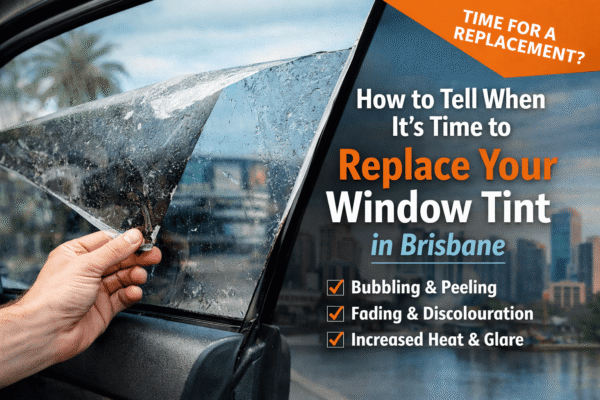
One of the clearest signs that tint needs replacing is bubbling.
Bubbles form when the adhesive begins to fail, often due to prolonged sun exposure or poor bonding over time. Once bubbling starts, it usually spreads.
Signs to look for include:
- Small bubbles appearing across the glass, which can grow larger over time.
- Raised areas or blisters, making the window look uneven.
- Distorted visibility, especially in vehicles or workspaces.
Replacement is typically the only long-term solution once bubbling becomes noticeable.
2. Tint Peeling Around the Edges
Peeling is another common indicator that window tint is nearing the end of its lifespan.
Edge peeling often begins subtly, but it can worsen quickly as dirt and moisture get underneath the film.
Common peeling issues include:
- Corners lifting away from the glass, particularly on older installations.
- Film separating along window borders, affecting appearance and function.
- Increased risk of tearing, especially on frequently used windows or doors.
Professional removal and replacement restores a smooth, sealed finish.
3. Discolouration or Fading Tint Colour
High-quality window tint should maintain a consistent colour. When tint begins to fade or change shade, it is usually a sign of UV damage and film breakdown.
Discolouration may appear as:
- Purple or brown tones, especially common in older vehicle tint.
- Patchy fading, where parts of the window look uneven.
- A dull or aged appearance, reducing the overall look of the property or vehicle.
Fading tint also signals reduced UV protection, making replacement worthwhile.
4. Increased Heat and Glare Indoors
If your space feels warmer than it used to, or glare becomes harder to manage, your tint may no longer be performing effectively.
Over time, degraded film loses its ability to reflect or absorb solar energy.
Performance-related signs include:
- Rooms heating up faster, especially near sun-facing windows.
- More glare on screens and surfaces, affecting comfort and productivity.
- Greater reliance on blinds or air conditioning, increasing energy use.
Replacing the tint restores the comfort benefits window film is meant to provide.
For homeowners experiencing these issues, upgrading through home window tinting can make a noticeable difference.
5. Cloudy or Hazy Window Appearance
Tint should improve comfort without reducing clarity. If your windows look cloudy or foggy, the film may be breaking down.
This issue can develop as the tint ages or if moisture becomes trapped.
Look out for:
- A milky haze, especially visible in bright sunlight.
- Reduced visibility through the glass, affecting both homes and vehicles.
- Distorted reflections, making windows look worn.
Clear visibility is important for safety, aesthetics, and everyday use, making replacement the best option.
6. Scratches, Scuffs, or Visible Wear
Window tint can become scratched over time, particularly in high-traffic areas or on vehicle windows that are frequently used.
Wear and tear may show as:
- Fine scratches across the surface, reducing clarity.
- Scuff marks near doors or window edges, especially on sliding glass.
- Aged appearance, making the tint look uneven or damaged.
Replacing scratched tint restores a clean finish and consistent performance.
7. Your Tint No Longer Meets Your Needs
Sometimes tint is still intact but no longer suits your lifestyle or priorities.
This may happen if:
- Your privacy needs have changed, such as moving into a busier neighbourhood.
- A room has been repurposed, like turning a spare room into a home office.
- You want improved heat control, with newer film technology.
Replacement allows you to upgrade to modern films designed for today’s performance standards.
Commercial environments may benefit from updated office window tinting to support comfort and productivity.
8. You Want Added Safety or Security Protection
Older tint is often focused on appearance or glare reduction rather than safety.
If you want stronger protection, replacement is an opportunity to install a film designed for impact resistance.
Upgrading to security window film can provide added peace of mind for homes and businesses by helping hold glass together under force.
Why Professional Tint Replacement Matters
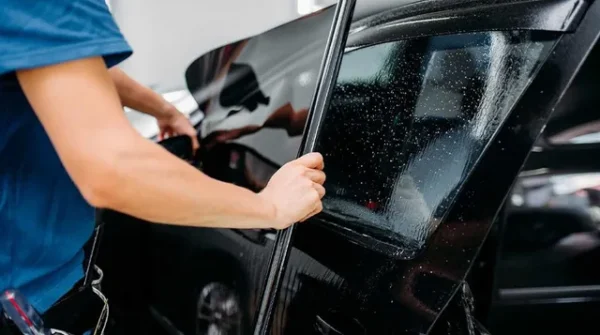
Removing old tint requires care. Improper removal can leave adhesive residue or damage the glass surface.
Professional replacement ensures:
- Safe removal of old film, without scratching windows.
- Proper surface preparation, so new tint bonds correctly.
- Accurate film selection, matched to your current goals.
Glass Tinting Solutions provides expert replacement services for residential, commercial, and automotive needs, ensuring long-lasting results.
Vehicle owners can also explore upgrades through car tinting and truck window tinting.
FAQs About Replacing Window Tint
Can old tint be removed safely?
Yes, professional removal methods allow tint to be removed cleanly without damaging the glass. Glass Tinting Solutions can help.
Is it better to replace tint or repair it?
In most cases, replacement is more effective once tint begins to bubble, peel, or fade. Glass Tinting Solutions can advise on the best approach.
Will new tint improve heat reduction?
Modern films often provide stronger heat control than older tint. Glass Tinting Solutions can recommend suitable options.
How do I know if my tint is still performing well?
If you notice glare, heat increase, or visible wear, it may be time for an assessment. Glass Tinting Solutions can help evaluate your tint.
Can tint be upgraded to a different shade?
Yes, replacement allows you to choose updated shades and film types. Glass Tinting Solutions can guide your selection.
Refreshing Comfort, Protection, and Appearance
Window tint plays an important role in maintaining comfort, privacy, and protection. When it begins to fail, replacing it restores those benefits and improves how your space feels and functions.
Recognising the signs early helps you avoid ongoing discomfort and ensures your windows continue to perform as intended.
Take the Next Step
If you have noticed bubbling, fading, or reduced performance, it may be time to replace your window tint. A professional assessment can clarify your options and help you choose the right solution.
Glass Tinting Solutions provides expert window tint replacement services tailored to homes, offices, and vehicles. To discuss your needs and restore your window performance, schedule an appointment with their experienced team today.