
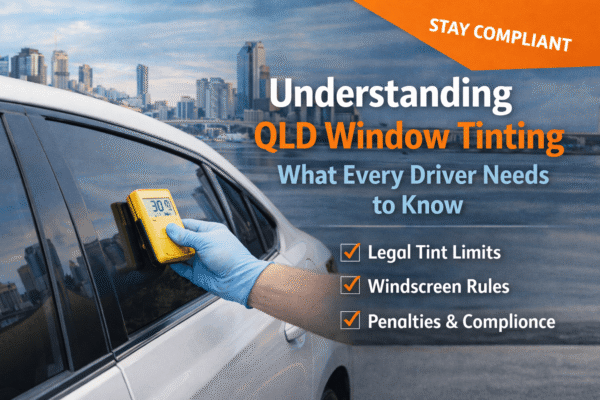
Window tinting offers clear benefits for drivers, from reducing glare and heat to improving comfort and interior protection. However, in Queensland, window tinting is also regulated, and not all tint options are legal for use on public roads.
Understanding Queensland window tinting laws helps drivers make informed decisions, avoid compliance issues, and ensure their vehicle remains safe and roadworthy. Whether you are tinting a new vehicle or replacing older film, knowing the legal requirements before booking is essential.
If you are considering professional automotive tinting solutions for Brisbane, this guide explains what Queensland drivers need to know to stay compliant.
Why Window Tinting Laws Exist in Queensland
QLD window tinting laws are designed to balance driver comfort with road safety. While tint reduces glare and heat, overly dark windows can limit visibility, especially at night or in poor weather.
Regulations ensure that:
- Drivers maintain adequate visibility at all times
- Police and road authorities can see into vehicles when required
- Vehicle modifications do not compromise safety
These laws apply to all registered vehicles driven on Queensland roads.
What Is VLT and Why It Matters
VLT stands for Visible Light Transmission. It refers to the percentage of visible light that can pass through a window.
A higher VLT means:
- More light passes through the glass
- Visibility is clearer, especially in low-light conditions
A lower VLT means:
- The tint appears darker
- Less light enters the vehicle
Queensland laws specify minimum VLT levels for different vehicle windows to ensure safe driving conditions.
Legal Window Tint Limits in Queensland
Queensland has clear guidelines on how dark window tint can be.
Under current regulations:
- Windscreens must allow a high level of light transmission, except for the upper tinted strip
- Front side windows must meet minimum visibility standards
- Rear side windows and rear windscreens can be darker, within limits
These rules apply regardless of whether the tint is factory-installed or added later.
Because window tint is applied on top of existing glass, the combined VLT of the glass and film must meet legal requirements. This is why professional assessment matters.
Windscreen Tinting Rules in QLD
Windscreens are subject to the strictest regulations due to their impact on driver visibility.
Key points include:
- Tinting is generally limited to a tinted sun strip at the top of the windscreen
- The main viewing area must remain clear
- Reflective or mirrored films are not permitted
Choosing compliant films ensures visibility is maintained while still reducing glare and UV exposure.
Front Side Window Tinting Laws
Front side windows play a major role in both visibility and communication between drivers and authorities.
Queensland regulations require:
- Sufficient light transmission through front side windows
- Tint that allows clear vision during day and night driving
Excessively dark tint on front windows can result in defect notices or fines.
Professional car tinting services help ensure front window tint remains within legal limits while still delivering comfort benefits.
Rear Side and Rear Window Tinting
Rear windows are allowed more flexibility under Queensland law.
This means:
- Rear side windows may be darker than front windows
- Rear windscreens can also have darker tint, provided visibility is not compromised
However, drivers must still be able to see clearly through mirrors. Poor rear visibility can still raise compliance concerns.
For larger vehicles, professional truck window tinting ensures tint is selected with both legality and usability in mind.
Are Reflective or Mirror Tints Legal in QLD?
Highly reflective or mirrored tints are restricted in Queensland.
These films:
- Can create glare for other road users
- Reduce visibility into the vehicle
- May not meet safety standards
Using non-reflective, compliant films is the safest option for legal road use.
What Happens If Your Tint Is Not Legal?
Driving with illegal window tint can lead to:
- Defect notices requiring tint removal
- Fines or penalties
- Issues during vehicle inspections or registration checks
In some cases, drivers may be required to remove tint immediately to regain compliance.
Choosing a professional installer reduces the risk of non-compliant tint being applied.
Factory Tint vs Aftermarket Tint
Factory tint refers to tinting embedded in the glass during manufacturing. Aftermarket tint is film applied to the glass surface.
Important considerations include:
- Factory tint still counts toward total VLT
- Aftermarket tint adds to existing darkness
- Legal compliance is based on combined light transmission
This is why testing and product selection matter before installation.
How to Ensure Your Tint Meets QLD Regulations
The safest way to stay compliant is to work with experienced professionals who understand Queensland laws.
A professional installer will:
- Measure existing glass VLT
- Recommend compliant film options
- Install tint that meets legal standards
- Provide guidance on maintenance and longevity
Glass Tinting Solutions focuses on automotive tinting that balances performance, comfort, and compliance with Queensland regulations.
When to Replace Tint That Is No Longer Compliant
Older tint may have been legal when installed but no longer meets current standards or performance expectations.
Replacement may be needed if:
- Tint has darkened or discoloured over time
- Visibility has reduced
- Regulations have changed
- You want to upgrade to modern compliant films
Professional replacement ensures continued legality and improved driving comfort.
FAQs About QLD Window Tinting Laws
Can I tint my windscreen in Queensland?
Only a tinted strip at the top of the windscreen is permitted. The main viewing area must remain clear. Glass Tinting Solutions can help ensure compliance.
Does factory tint count toward legal limits?
Yes, factory tint contributes to total light transmission and must be considered when adding film. Glass Tinting Solutions can assess this.
Can police test my window tint?
Yes, authorities may test tint levels during roadside checks. Glass Tinting Solutions can help ensure your tint meets standards.
Is darker tint allowed on rear windows?
Rear windows can be darker than front windows, but visibility must still be maintained. Glass Tinting Solutions can advise on suitable options.
What is the best way to avoid illegal tint?
Choosing a professional installer who understands QLD laws is the safest approach. Glass Tinting Solutions can guide you.
Driving Comfort Without Compliance Risks
Window tinting enhances driving comfort, but only when it complies with Queensland laws. Understanding legal limits helps drivers avoid fines, defects, and safety issues.
By selecting compliant films and working with experienced installers, drivers can enjoy the benefits of window tinting with confidence.
Take the Next Step
If you are planning vehicle window tinting or are unsure whether your current tint is legal, professional advice makes all the difference.
Glass Tinting Solutions provides compliant automotive window tinting tailored to Queensland regulations. To review your options or book an assessment, schedule an appointment with their experienced team today.